


Getting Married in Italy: 10 Historic Villas and Castles for Your Wedding
Getting married in Italy is easier to plan than most American couples expect, and the choice of place matters more than any other decision. A wedding in a villa on Lake Maggiore feels nothing like a reception in a Sicilian wine estate or a ceremony in a castle above the Adriatic hills. The house sets the tone for the whole weekend: how many guests you can invite, whether you say your vows in a chapel or a garden, and where everyone sleeps after the last dance.
We have selected ten historic houses from our collection that host weddings, from the lakes of the north to Sicily. Each one is a real place with its own story, and each one handles ceremonies, menus and guest rooms in its own way. Below you will find what makes each of them different, a short guide to the paperwork for U.S. citizens, and the rooms your guests can book for the days around the wedding.
Ten historic houses for a wedding in Italy
Villa e Palazzo Aminta – Stresa (Lake Maggiore, Piedmont)
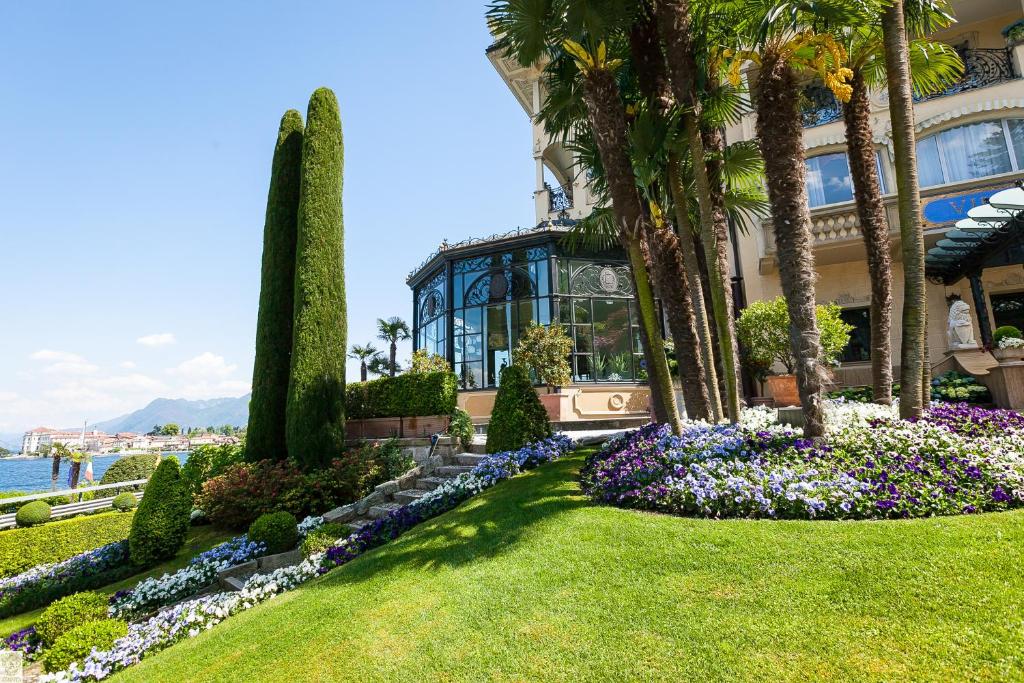
Built in 1872 in Stresa, the villa faces the Borromean Islands. Giacomo della Torre dedicated it to his daughter Aminta, and Elizabeth Taylor and Richard Burton stayed here in 1966. Symbolic ceremonies take place on the panoramic terraces or in the gardens, with the islands as a backdrop, and the aperitif is served on the terrace over the lake. The wedding menu is prepared in house.
Villa Sostaga – Gargnano (Lake Garda, Lombardy)
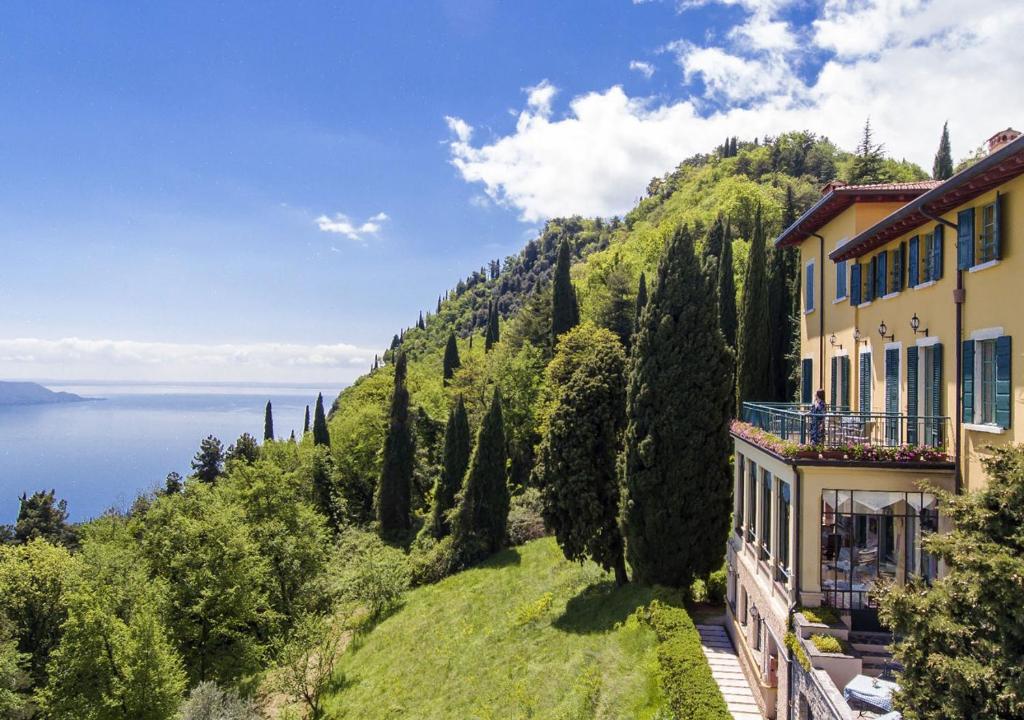
A historic villa on the hillside above Gargnano, with gardens that look out over Lake Garda and a gourmet restaurant of its own. Villa Sostaga has organized ceremonies and events for decades and works best for intimate weddings of up to 80 guests.
L'Albereta – Erbusco (Franciacorta, Lombardy)
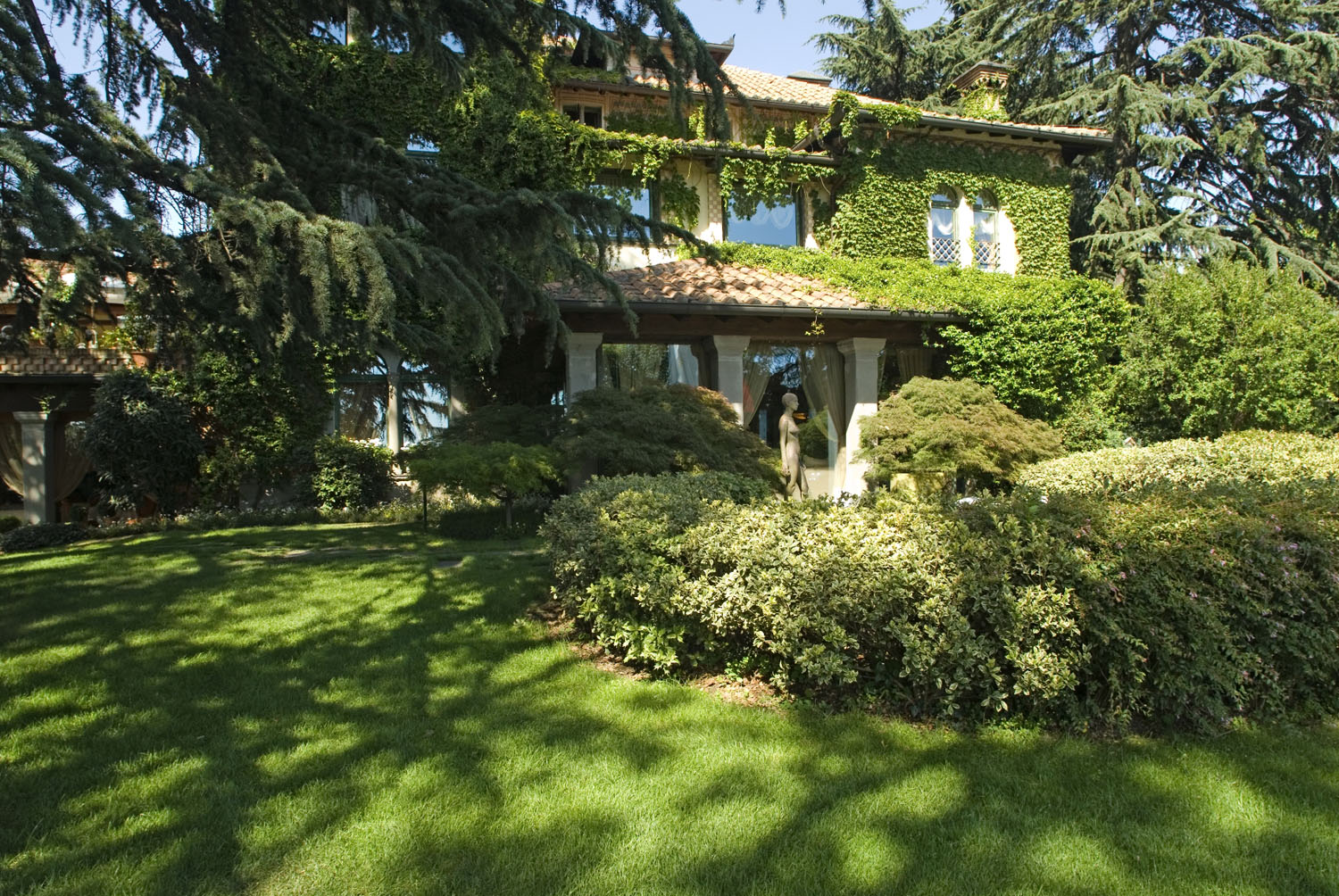
A Relais & Châteaux villa among the Franciacorta vineyards. Couples can choose a symbolic ceremony outdoors or a religious one in church, and the reception moves between the halls and the gardens of the villa. The chef writes a menu around the couple's tastes, and the team takes care of flowers, photo and video, transportation and entertainment. The wedding night is spent at the villa.
Villa Cipriani – Asolo (Veneto)
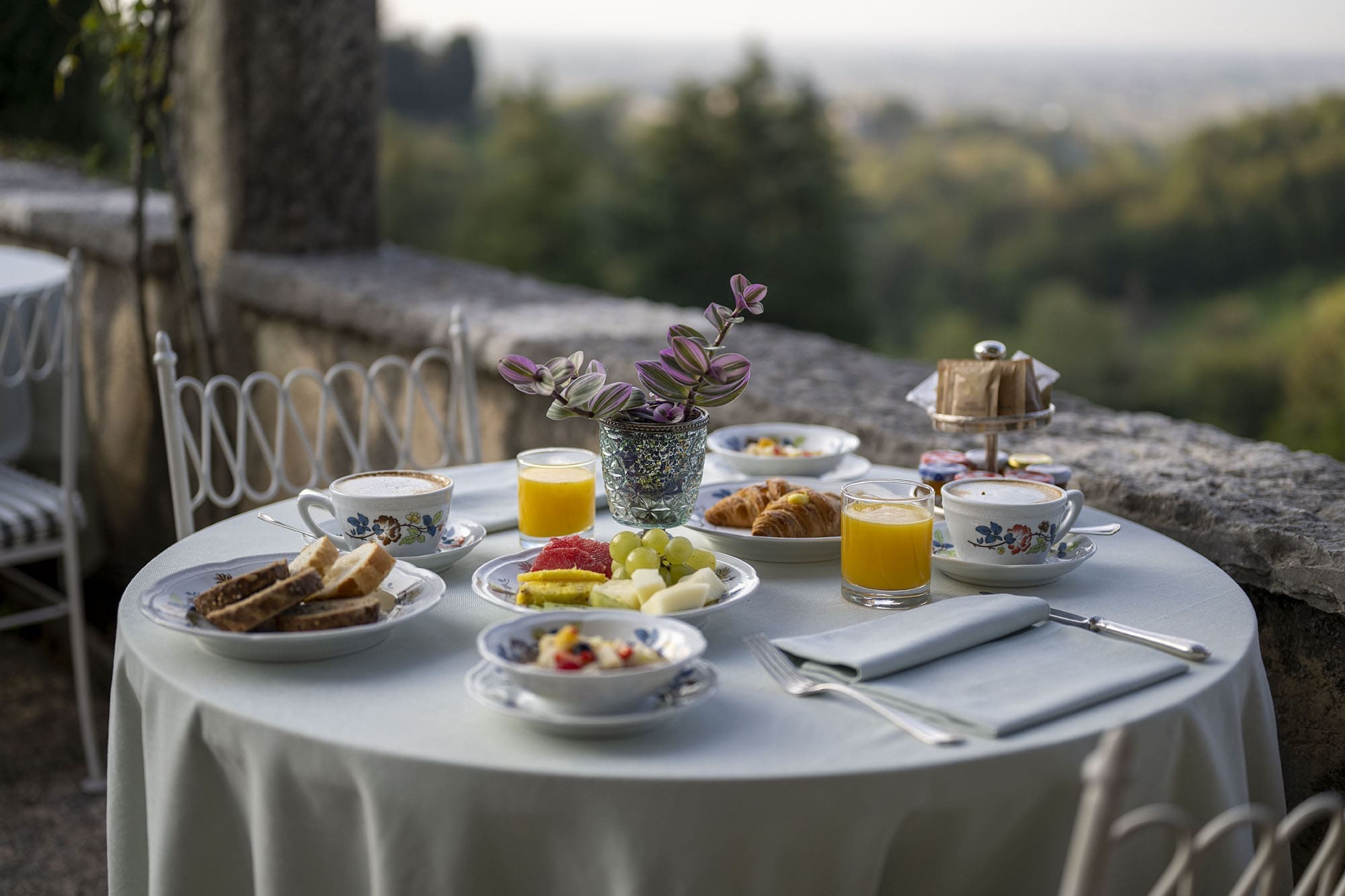
The poet Robert Browning bought this villa in 1889. In the 1960s Giuseppe Cipriani, the founder of Harry's Bar in Venice, turned it into a hotel. Its flower garden opens onto the hills of Asolo, and the terrace is lit by lanterns in the evening. Menus are built on local, seasonal produce, and the 28 rooms and suites can host the closest guests.
Borgo Vescine – Radda in Chianti (Tuscany)
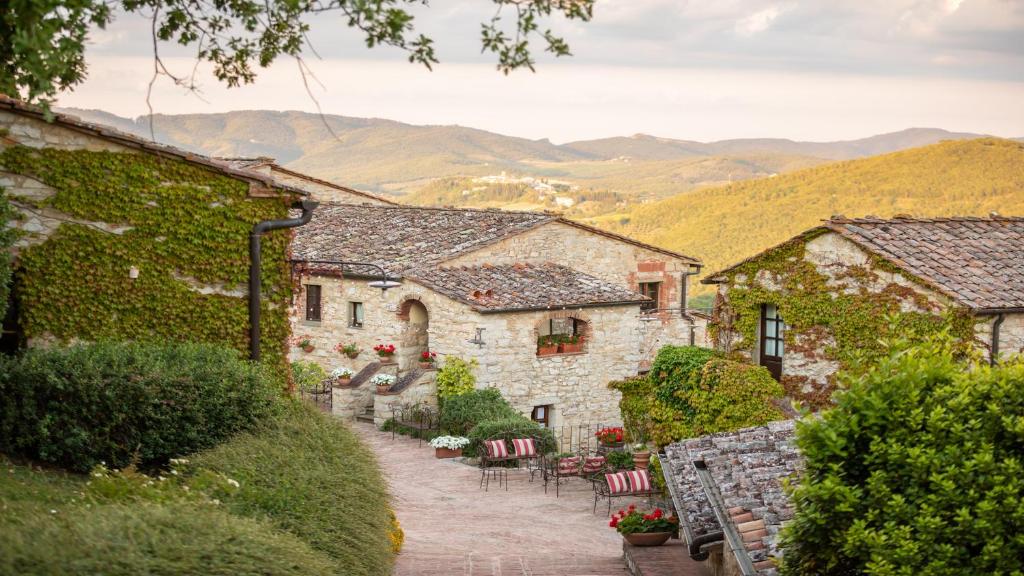
A medieval hamlet in the Chianti hills that the wedding party can take over entirely: all 28 rooms, the piazza and 42 hectares of land. Borgo Vescine hosts up to 120 guests, seated or standing, and the days around the wedding can be filled with truffle hunts, hot-air balloon flights and wine tastings with the sommelier.
Il Falconiere – Cortona (Tuscany)
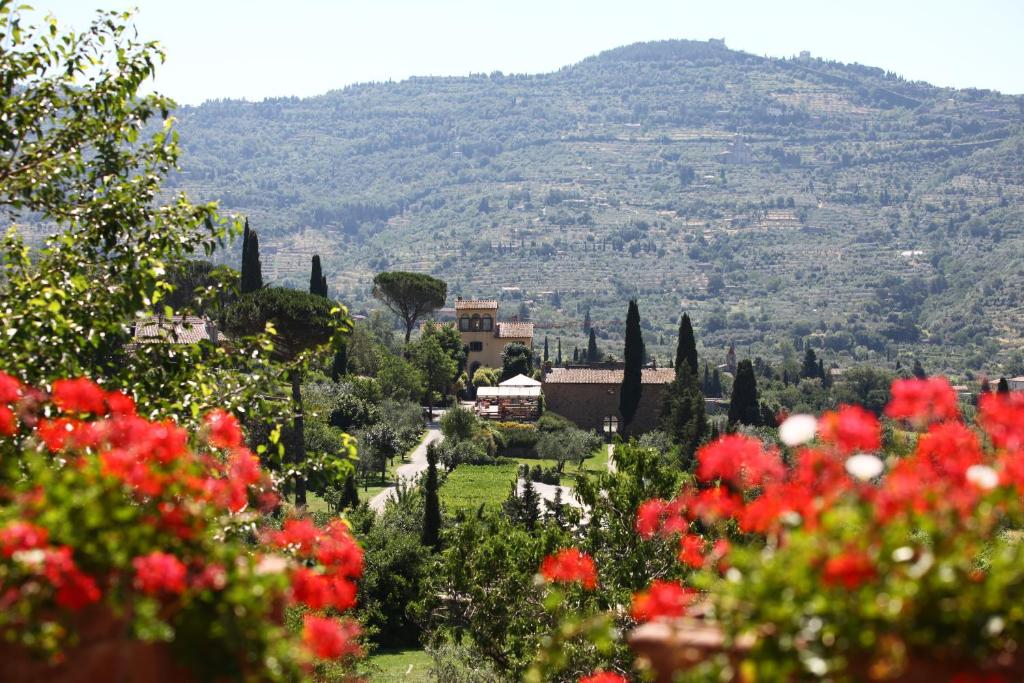
A 17th-century villa on the Baracchi family estate, just below Cortona. Couples can say yes in the estate's private 17th-century church, frescoed by the Cortona school, or in a civil ceremony on the estate. The reception moves to the Pomerio room or the Limonaia depending on the number of guests, and the kitchen is led by chef Silvia Baracchi, whose restaurant holds one Michelin star.
L'Andana – Castiglione della Pescaia (Maremma, Tuscany)
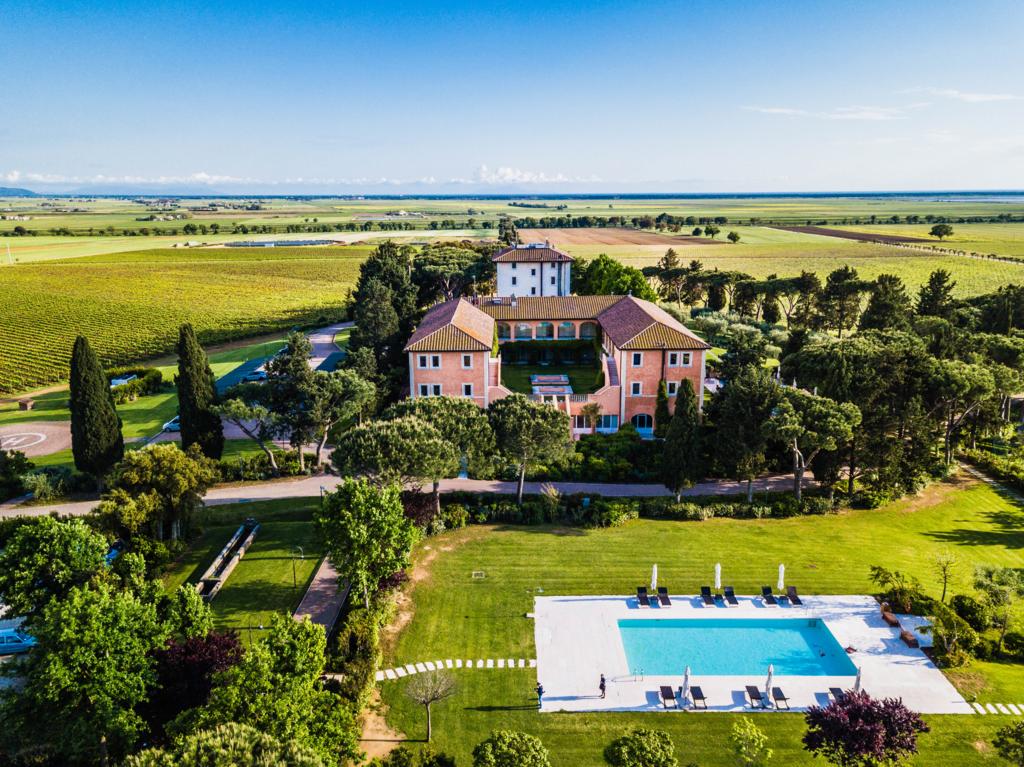
L'Andana was the summer residence of Grand Duke Leopold II of Tuscany, on the Maremma coast. The park in front of its private chapel is consecrated, which means a religious ceremony can be held outdoors. The reception takes place at La Trattoria Enrico Bartolini, in its rooms and in the park, with dedicated staff for the couple.
Castello di Monterado – Monterado (Marche)
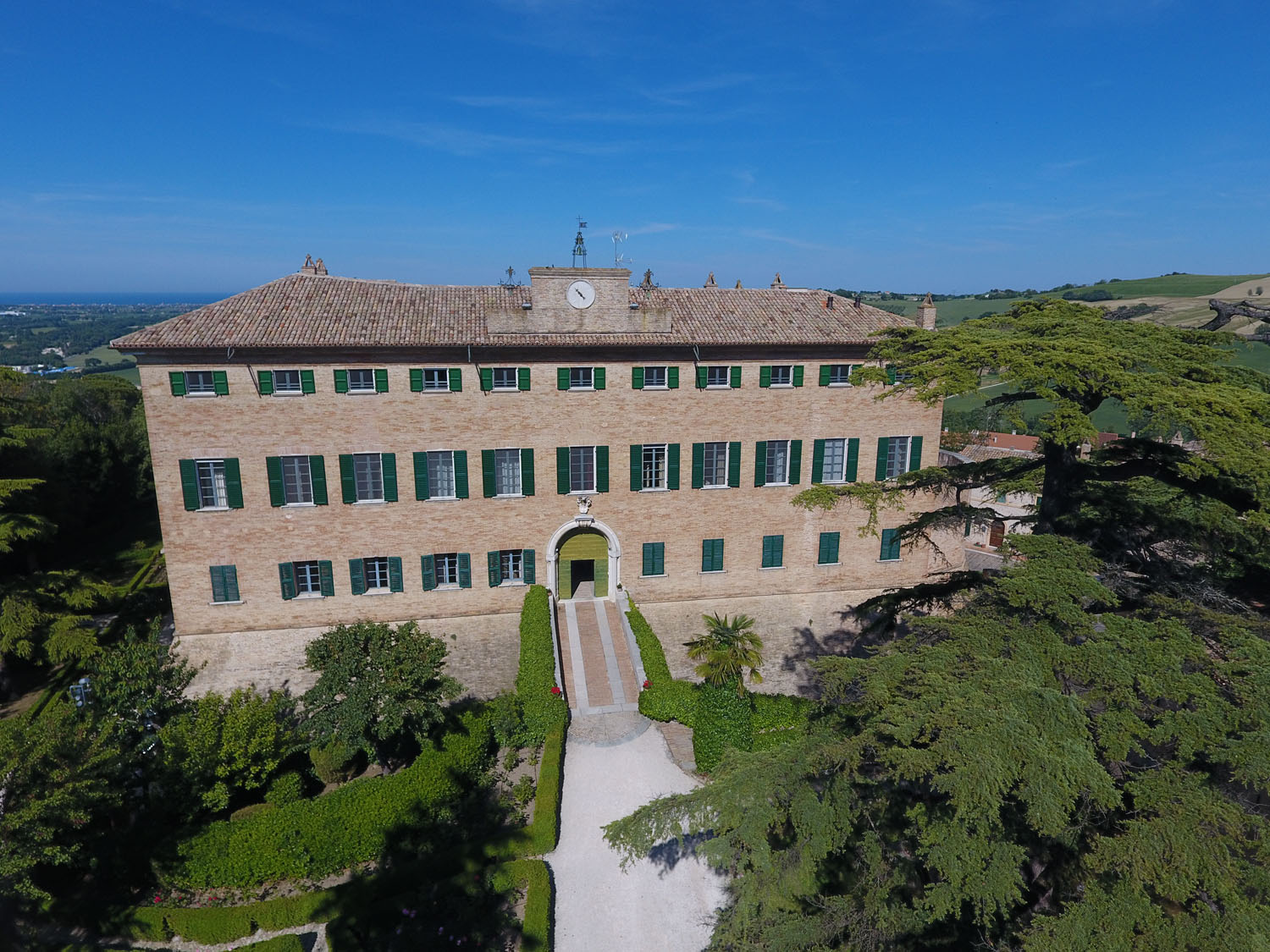
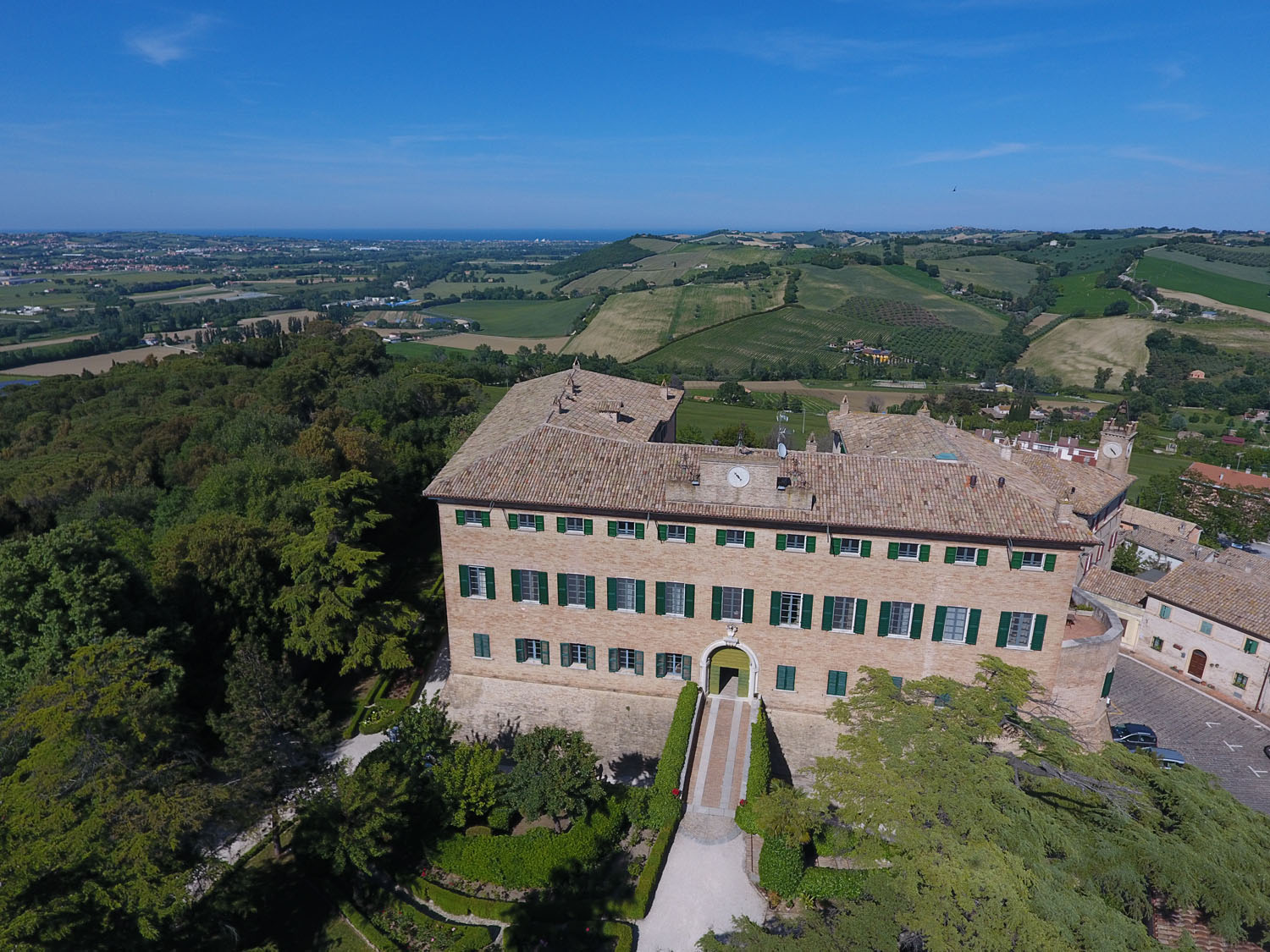
A castle overlooking the Cesano valley and the Adriatic, with terracotta-vaulted halls, terraces and an Italian garden. Prince Maximilian de Beauharnais, Napoleon's nephew, spent his honeymoon here. Castello di Monterado hosts civil and symbolic weddings, and has a private chapel and a panoramic pool.
Castello di Serragiumenta – Altomonte (Calabria)
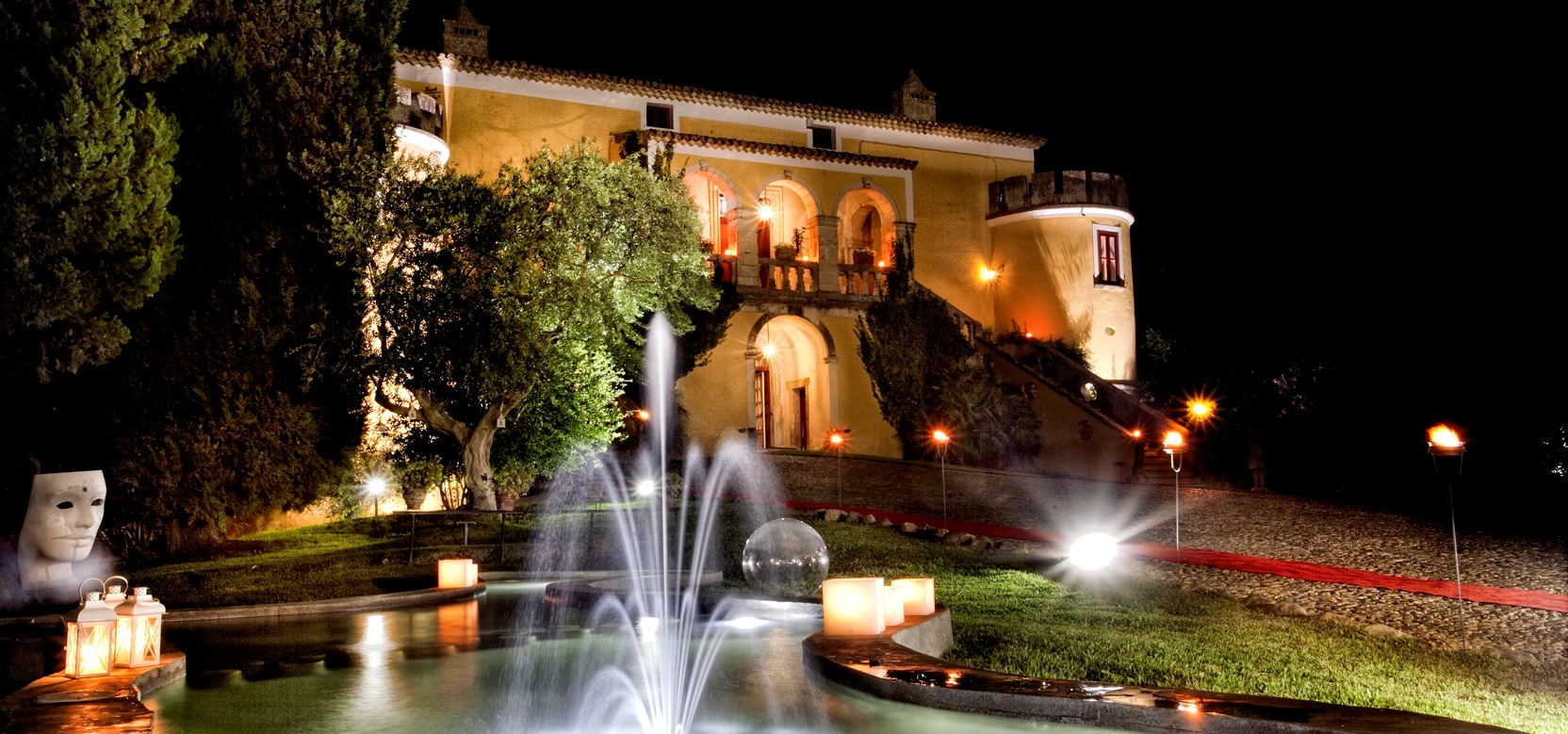
A castle estate halfway between the Pollino National Park and the Ionian Sea. The civil ceremony takes place in the garden or on the terrace, followed by an aperitif in the garden and dinner on the lawn under the stars, or in the castle halls. The couple can spend their first night at the estate.
Baglio Oneto – Marsala (Sicily)

A baglio built in the late 1700s to run a Marsala wine estate. Its Belvedere garden looks out to the Egadi Islands, Mozia and the Isola Lunga, and seats up to 400 guests: this is the place for a large wedding in western Sicily. Civil or symbolic ceremonies are held in the courtyard, next to the 18th-century tower, or in the garden. There are 47 rooms, including a room for the wedding night.
Getting married in Italy as a U.S. citizen
Many American couples choose a symbolic ceremony in Italy and sign the legal paperwork at home before or after the trip. It keeps the planning simple and gives you complete freedom over where and how you say your vows. If you want your marriage to be legally performed in Italy, here is how the process works for U.S. citizens, according to the Italian consulates in the United States:
- Atto Notorio. A sworn declaration made at the Italian consulate with jurisdiction over your residence, with two witnesses for each spouse, stating that you are free to marry. It is valid for 90 days, so the consulates ask you to apply no earlier than three months before the wedding.
- Dichiarazione Giurata. A sworn statement signed in Italy, at a U.S. Embassy or Consulate, declaring that U.S. law poses no obstacle to the marriage.
- Supporting documents. Valid passports and, where required, birth certificates, divorce decrees or death certificates, with an apostille and a certified Italian translation.
- Declaration of intent. A few days before the ceremony, you appear at the city hall of the town where you will marry, with two witnesses and an interpreter.
A Catholic ceremony is arranged through the parish and must then be registered with the civil registrar to be valid. Requirements can change, and each city hall has its own practices: confirm every step with your consulate and with the town where you plan to marry before booking flights.
Where your guests can stay
A wedding in Italy usually lasts a long weekend. Your guests arrive a day or two earlier, many stay on afterwards, and having them under the same roof, or close by, makes every dinner and excursion easier to organize. Check availability and live rates at these ten houses and book the rooms for your guests below.
A gift for the couple
If you are a guest rather than the bride or groom, an Italy gift card from Dimore d'Epoca is a wedding gift the couple can spend on a stay in one of our historic houses, on their honeymoon or on their first anniversary.
FAQ
Can a U.S. citizen legally get married in Italy?
Yes. Non-residents can marry in Italy with an Atto Notorio from the Italian consulate in the United States, a Dichiarazione Giurata signed at a U.S. consulate in Italy and a declaration of intent at the local city hall. Many couples prefer a symbolic ceremony in Italy and the legal one at home.
Can we have a religious ceremony outdoors?
Catholic weddings are normally held in a church. At L'Andana, in Tuscany, the park in front of the private chapel is consecrated, so a religious ceremony can take place outdoors. At Il Falconiere the ceremony can be held in the estate's private 17th-century church.
Which house works for a large wedding?
Baglio Oneto in Sicily seats up to 400 guests in its Belvedere garden. Borgo Vescine in Chianti hosts up to 120 and can be booked in exclusive use. Villa Sostaga on Lake Garda is designed for intimate weddings of up to 80 guests.
Want help choosing the house and the region? Start from our Plan your trip page, or explore our historic homes in Tuscany, on the Italian lakes and in Venice and the Veneto.
- Hits: 70
