


Where to Eat in Syracuse and Ortigia: Market, Seafood and Where to Stay
Where should you eat in Syracuse? Start in Ortigia, the small island that holds the old town, at the morning market on Via Emanuele De Benedictis. From there, the best meals in Syracuse follow the sea and the season: raw red prawns, swordfish, spaghetti with sea urchin in winter and spring, almond granita with a warm brioche, and cannoli filled to order.
This guide covers what to order, the market stops worth the line, a day trip for pastry in Noto, and practical tips for timing your meals the Sicilian way. It works for a first trip to Sicily or as part of a longer route through the island in spring 2027.
What to eat in Syracuse
Seafood from the Ionian Sea
Swordfish (pesce spada), tuna, anchovies and red prawns are the backbone of the local menu. Order them simply: carpaccio or raw crudo, grilled, or with Pachino tomatoes, capers and olives. From late fall to spring, look for spaghetti ai ricci, pasta with fresh sea urchin, one of the dishes locals plan their week around.
Street food and the market
Arancini, panelle (chickpea fritters) and fried vegetables are everywhere, but the market is where you eat best at lunch. Two names come up again and again:
- Caseificio Borderi, at Via Emanuele De Benedictis 6: towering sandwiches assembled to order by Andrea Borderi, with ricotta, local cheeses, cured meats and preserves. Arrive before 10:30 to avoid the longest wait.
- Fratelli Burgio, on Piazza Cesare Battisti: a family deli in the market for generations, where you can sit down for a tagliere (board of cheeses, salumi and caponata) with a glass of Sicilian white.
Granita, cannoli and almonds
Breakfast in summer and on warm spring days is almond or lemon granita with a brioche. Cannoli should be filled in front of you, so the shell stays crisp. Almonds from nearby Avola appear in pastries, granita and latte di mandorla.
Wines to try
Nero d'Avola is the red grown around Noto and Pachino; for something sweeter, ask for Moscato di Siracusa, one of the oldest wine names on the island.
A side trip for pastry: Noto
Noto, about 35 minutes south by car, is the Baroque town rebuilt after the 1693 earthquake and part of the Val di Noto UNESCO site. Its pastry shops on Corso Vittorio Emanuele are reason enough to go: try almond pastries, cassata and, in season, granita. Combine it with a walk through the honey-colored center at sunset.
Practical tips
- The Ortigia market runs Monday to Saturday in the morning and winds down in the early afternoon; it is closed on Sundays.
- Lunch is usually 1 to 3 pm and dinner rarely starts before 8 pm. Book dinner on weekends.
- Avoid sit-down meals right on Piazza Duomo; the side streets toward the market and the sea walls offer better value.
- Spring (March to May) is the sweet spot: mild weather, sea urchin season and, from May, the classical plays at the Greek Theater.
Planning more of Sicily? See our guides to where to eat in Palermo and where to eat in Trapani, or start from our trip planning page.
Where to stay in Syracuse and the Val di Noto
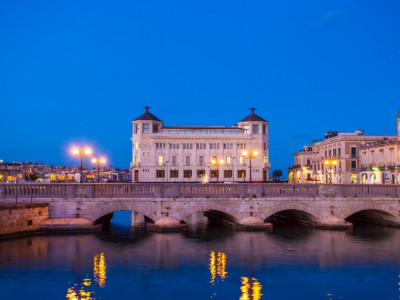
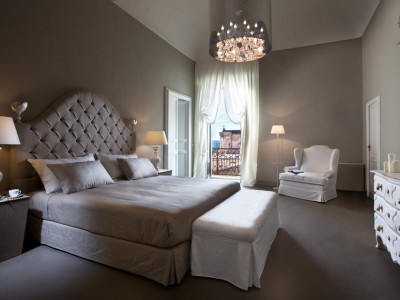
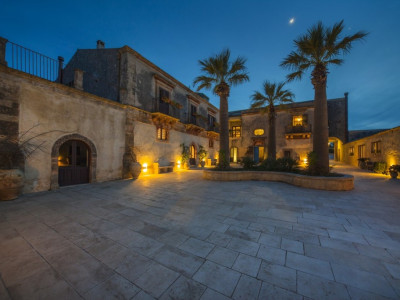
Three bases for three ways of seeing the southeast: on Ortigia within walking distance of the market, in the center of Noto, or in the countryside around Palazzolo Acreide.
Traveling with someone special in mind? An Italy gift card lets them choose the property and the dates.
FAQ
What food is Syracuse known for?
Fresh seafood such as swordfish, red prawns and sea urchin pasta, the market sandwiches of Ortigia, almond granita and cannoli.
Is the Ortigia market worth visiting?
Yes, especially in the morning. It is small but lively, and it is the easiest place to taste local cheese, cured meats and street food in one stop.
How many days do you need in Syracuse?
Two full days cover Ortigia, the Neapolis archaeological park and a meal at the market; add a third for Noto and the countryside.
Discover more historic hotels and villas across Italy in our hotel collection.
Opening photo: Ortigia market, Syracuse, by Giovanni Dall'Orto, via Wikimedia Commons (free use with attribution).
- Hits: 23
