
Where to Eat in Parma: Prosciutto, Culatello and Where to Stay
Where should you eat in Parma? In a city where lunch revolves around three products with protected names: Prosciutto di Parma, Parmigiano Reggiano and Culatello di Zibello. Parma sits on the rail line between Milan and Bologna, about an hour from each, which makes it an easy two-night stop on a first trip through northern Italy, and UNESCO named it a Creative City of Gastronomy in 2015.
This guide covers what to order, how to plan a tasting day in the countryside and two historic places to stay outside the city, both run by people who make or cure what they serve.
What to eat in Parma
Anolini in brodo. Small round pasta filled with braised beef, breadcrumbs and Parmigiano, served in a rich meat broth. It is the dish of Sundays and of the Christmas table.
Tortelli d'erbetta. Large pasta parcels filled with ricotta and chard, dressed simply with melted butter and grated Parmigiano.
Torta fritta. Squares of fried dough served warm with a board of cured meats. Order it as a starter to share.
Prosciutto di Parma. Aged in the hills around Langhirano, south of the city, where the dry air from the valleys does the curing. Ask for it sliced to order.
Culatello di Zibello. The most prized cut of the Bassa, the flat land along the Po river: the heart of the pork leg, cured in damp cellars in winter fog. It is produced in a small area and is eaten thinly sliced, on its own or with butter.
Parmigiano Reggiano. Look for different ages on the same plate, from 24 to 36 months and beyond. Many dairies around Parma offer early-morning visits to see the cheese being made.
Where to eat in the city
Parma's historic center is compact and walkable. Strada Garibaldi and the streets around Piazza Garibaldi are where locals shop for cured meats and cheese: at number 42, the historic Salumeria Garibaldi sells prosciutto, culatello and Parmigiano and can vacuum-pack purchases for travel (check US customs rules before buying meat to bring home).
For lunch, look for a trattoria with a short handwritten menu: anolini, tortelli and a plate of mixed cured meats are a full meal. Dinner starts later than in the US, around 8 pm, and many places close one day a week, so book ahead on weekends. In between, the Duomo and the pink marble Baptistery by Benedetto Antelami, the Teatro Regio and the Palazzo della Pilotta with works by Correggio and Parmigianino fill an afternoon.
A food day in the countryside
The best tastings are outside the city, and two directions work well. To the south, the hills of Langhirano for prosciutto houses and dairies. To the north, the Bassa along the Po: Polesine Parmense, Zibello and Busseto, the town of Giuseppe Verdi, where culatello is cured. A rental car is the simplest option; your hotel can help book dairy and cellar visits, which usually start early in the morning.
Where to stay near Parma
Two historic properties linked to the Pallavicino family, one on the river and one in the hills, both with their own kitchen.
Antica Corte Pallavicina – Polesine Parmense (Emilia-Romagna)
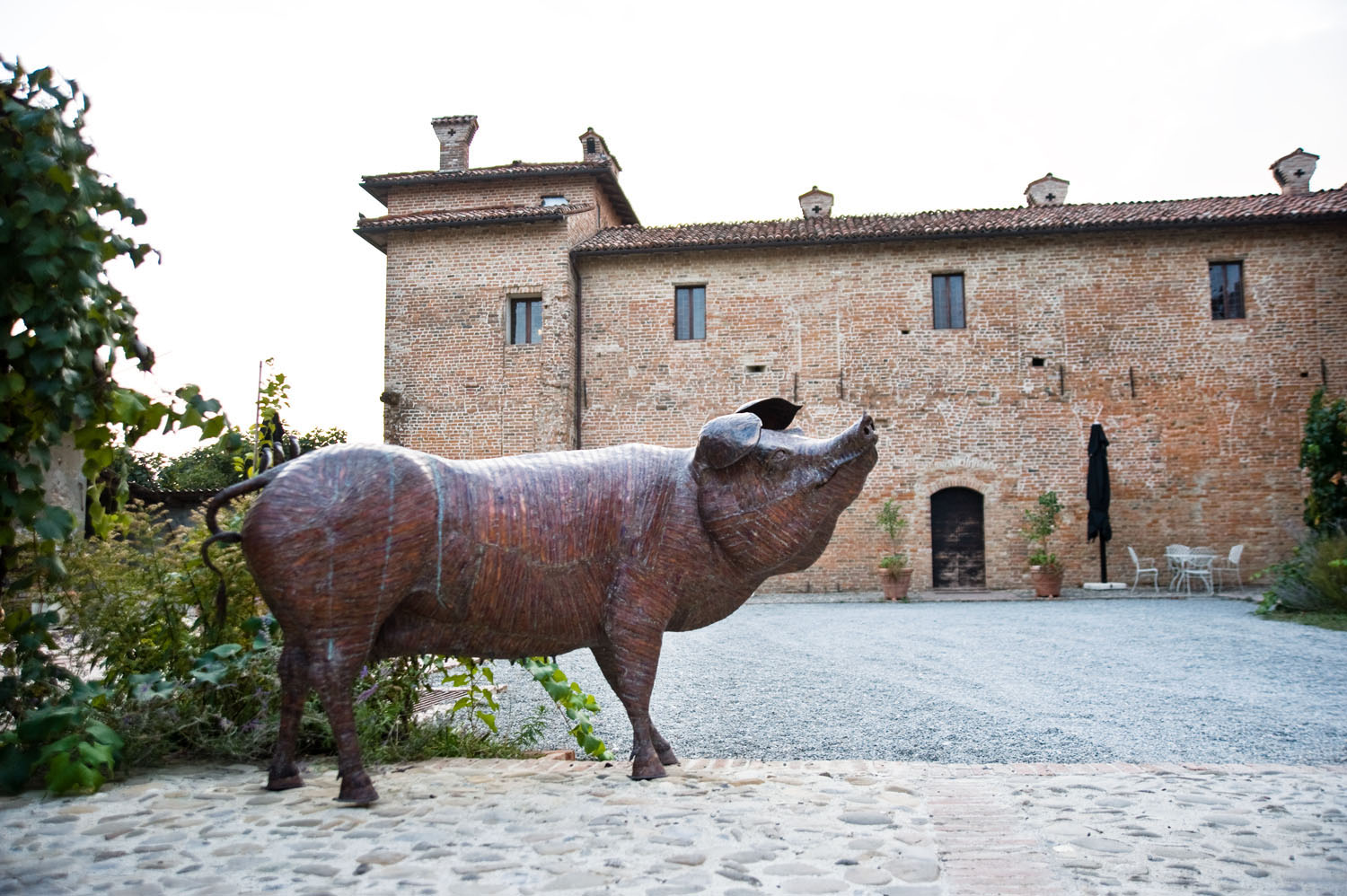
A fortified castle built in 1320 by the Pallavicino marquises, facing the Po river, now home to about a dozen rooms and suites. The kitchen is led by chef Massimo Spigaroli, and the cellars are where culatelli, cured meats, cheeses and wines are aged. Guests can walk the farm with its heritage-breed animals, vegetable gardens and orchards, and reach the riverbanks on foot or by bike toward Busseto, Zibello and Colorno. For a culatello-focused trip, this is the place to sleep.
Antico Borgo di Tabiano Castello – Salsomaggiore Terme (Emilia-Romagna)
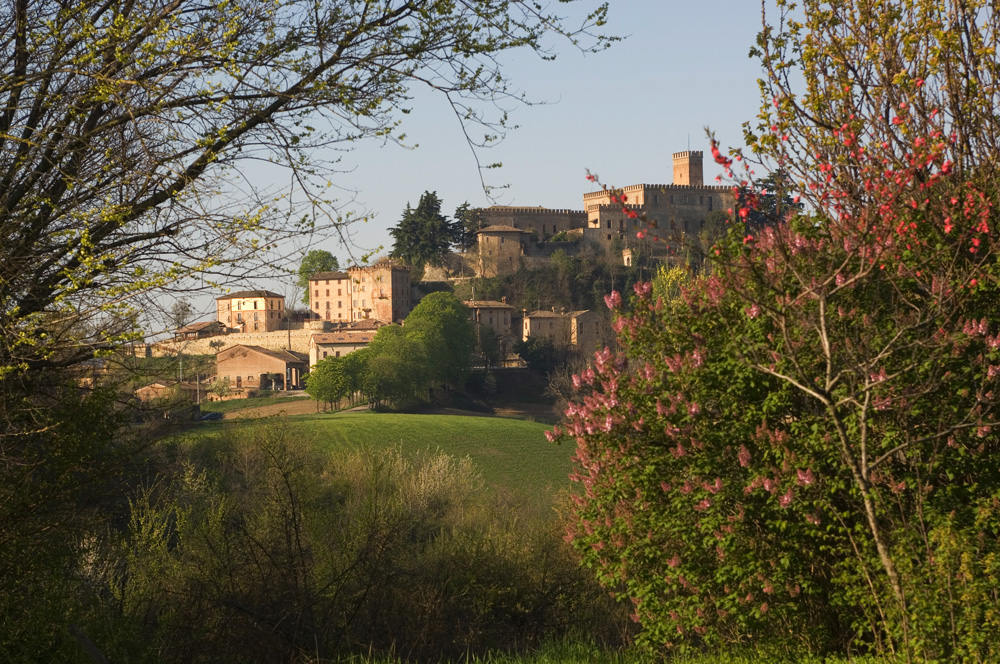
A village built around an 11th-century fortress of the Pallavicino marquises, more than 300 meters up in the hills of the province of Parma, surrounded by oak woods. Rooms are spread across the village's old buildings, including a watchtower, a sharecropper's house and an inn. The restaurant occupies a former dairy where Parmigiano and butter were made for over 200 years. Two wellness areas, one set in a natural cave, offer a Turkish bath, Jacuzzi and sauna.
Check availability for your dates and book directly with the property:
Practical tips
- Parma pairs naturally with Modena: see our guide on where to eat in Modena for a three-night food route through Emilia-Romagna.
- Fog is common in the Bassa from November to February. Drive in daylight and allow extra time.
- Our team in the Venice area can help put the route together: start from Plan your trip.
Planning a gift? The Dimore d'Epoca gift card covers stays and experiences at our historic hotels in Italy.
FAQ
What food is Parma famous for?
Prosciutto di Parma, Parmigiano Reggiano and Culatello di Zibello, plus filled pasta such as anolini in brodo and tortelli d'erbetta.
How many days do you need in Parma?
Two nights are enough for the city and one day of tastings in the countryside.
Is Parma easy to reach without a car?
Yes. Trains connect Parma to Milan and Bologna in about an hour; for dairies and the Po river villages, a car or a driver is more practical.
Opening photo: Parma, Baptistery and Bishop's Palace, by Palickap, CC BY-SA 4.0, via Wikimedia Commons.
- Hits: 44